Wetlands: Birdwatching Ecotourism, a Vulnerable Local Resource
Observing migratory birds supports guiding, transport and hospitality activities in several wetlands across Senegal. But mangrove degradation, coastal erosion, pollution and drainage threaten both ecosystems and this local economy.
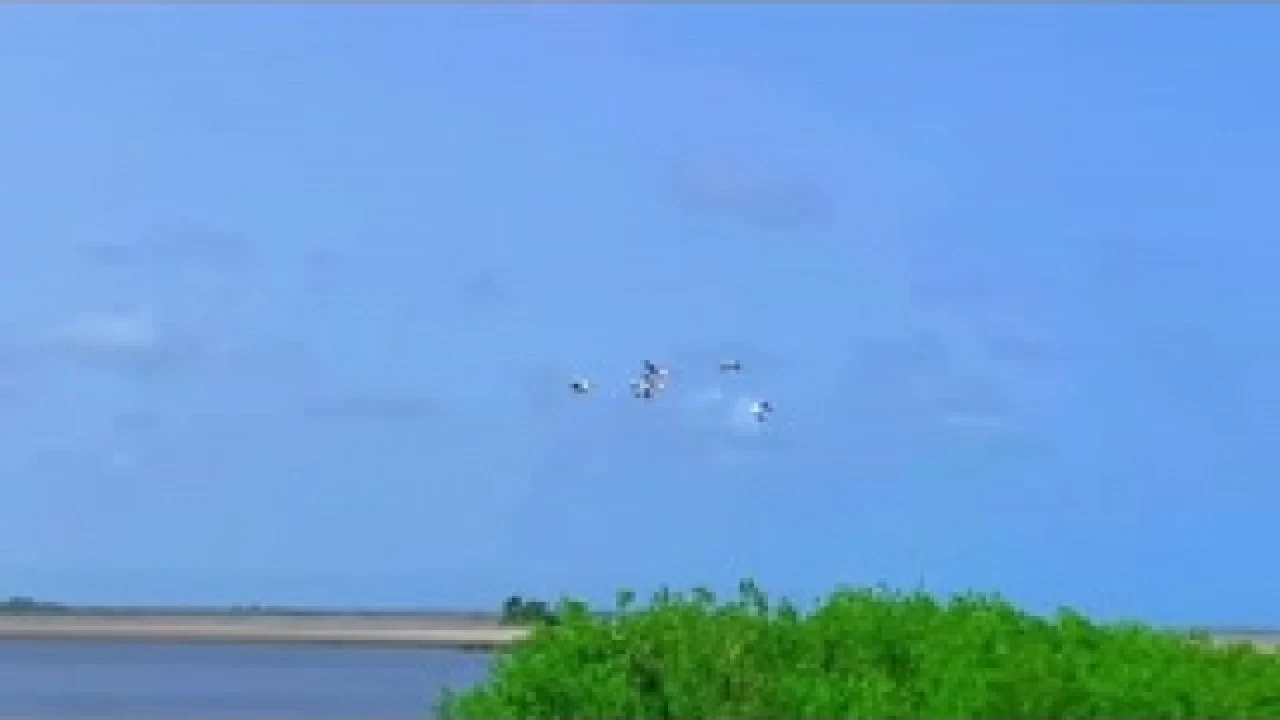
Ecotourism linked to migratory birds provides a source of income for communities living near wetlands in Senegal. The activity depends on coastal and inland sites that host birds for feeding, resting and wintering.
National bird monitoring covers 37 sites divided into 219 sectors. During a workshop on wetland and migratory bird conservation in Ndagane, ornithologist Khady Guèye, programme coordinator at Wetlands International, highlighted the tourist appeal associated with their presence.
Palmarin, visits and seasonal jobs
At the Palmarin nature reserve, the observation of gulls, terns and godwits, particularly at the Niasse site, attracts specialists and enthusiasts. Lamine Loum, deputy conservator, describes the preservation of these areas as a resource for ecotourism.
The reserve is jointly managed by a village committee and state services. This arrangement involves four villages across an area of 10,400 hectares. A regulated fee applies to tourist, scientific and school visits. Revenue and visitor numbers support jobs in guiding, transport and hospitality, particularly when artisanal salt extraction slows during the rainy season.
Outside the wintering season, the reserve receives between 400 and 1,000 visitors a month, depending on the period.
Natural environments under pressure
Environmental consultant Moustapha Sène cites drainage, land development, pollution and overexploitation of marine species among the pressures affecting wetlands. He also believes that mangrove degradation and coastal erosion are reducing fishing yields and exposing tourism infrastructure.
In the north of the country, Djoudj National Bird Park is also the focus of a development strategy. On 15 January 2026, Minister El Hadji Abdourahmane Diouf highlighted the site’s ecological and tourism value, while announcing new infrastructure. The challenge is to reconcile the protection of migratory bird habitats with the expected economic benefits for neighbouring areas.



Join the conversation
Reader comments are shown in their original language.